Cancer Surgery at Willamette Valley Cancer Institute

Surgery is often part of a cancer treatment plan, with multiple purposes, including diagnosing, staging, and removing cancer. The best type of surgery and the timing of the procedure depend on several factors.

Diagnosing Cancer with a Biopsy Procedure

A biopsy is typically performed to confirm whether an abnormal area is cancerous. This minimally invasive surgery involves removing a small tissue sample, which is then examined under a microscope by a pathologist. The pathology report tells your doctor if cancer is present, the type of cancer, and other characteristics that will help your oncologist develop a treatment plan. For breast cancer, this includes hormone and HER2 status.

Port Placement for Administering Cancer Treatment

Certain cancer treatments, such as chemotherapy, are often administered intravenously. To provide easier access to a vein, a surgeon may implant a small medical device called a port beneath the skin in the chest, arm, or abdomen. This is typically performed under local anesthesia and is especially beneficial for patients who require frequent IV infusions, as it reduces the number of times the vein needs to be pricked, making the process more comfortable.

Cancer Removal Surgery

The primary goal of cancer surgery is often to cure the patient by removing all cancer cells. Following surgery, additional treatments may be necessary to ensure that no hidden cancer cells remain. The specific type of surgery required depends on the type of cancer.


Breast Cancer Surgeries

Surgery is usually the first-line treatment for breast cancer. The recommended type of breast surgery depends on the type of breast cancer, its stage, size, location, and the patient's overall health and personal needs. Your breast cancer surgeon may recommend one of the following procedures:

Breast-conserving surgery (lumpectomy)

Removes the cancer along with a margin of surrounding tissue. Nearby lymph nodes may also be removed to be examined for cancer. Some women may opt for an oncoplastic lumpectomy or “hidden scan surgery”, which combines lumpectomy surgery with plastic surgery techniques to help reshape and improve the appearance of the breast after the cancer is removed.

Mastectomy

Involves removing the entire breast and may be performed on one or both breasts, depending on the cancer's location. There are various mastectomy approaches, including nipple-sparing mastectomy, skin-sparing mastectomy, modified radical mastectomy, and risk-reduction mastectomy.

Comprehensive Breast Cancer Care, Delivered Together

In partnership with the breast cancer surgeons at Oregon Surgical Wellness (OSW), patients of Willamette Valley Cancer Institute receive advanced and comprehensive breast cancer treatments. Your WVCI medical oncologist and OSW breast cancer surgeon will work closely with you to ensure the recommended surgery is tailored to your individual needs.

Minimally Invasive Gynecologic Cancer Surgeries

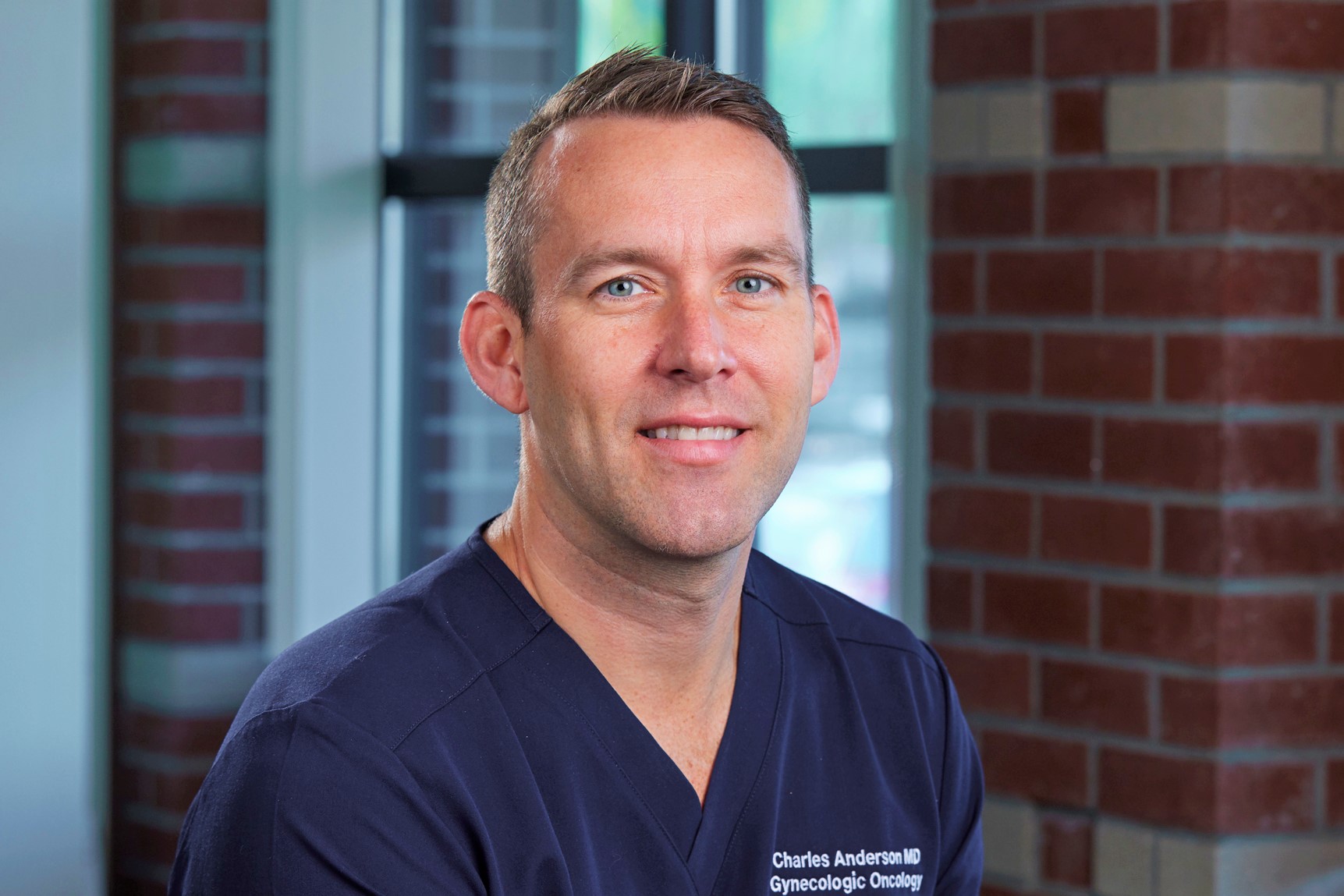
Surgery to remove cancer is a key component of treatment plans for gynecologic cancers, including ovarian, endometrial (uterine), and cervical cancers. A hysterectomy is often necessary to remove the affected female reproductive organs. This procedure is typically performed using minimally invasive, robot-assisted techniques under the guidance of a gynecologic oncologist.

Should Cancer Surgery Be Performed Before or After Other Treatments?

Many patients have questions about when they will have surgery. While some patients may benefit from surgery before other treatments, other patients might require treatments before surgery to help shrink the cancer, making it easier to remove. This approach can reduce the risk of cancer cells spreading during surgery and limit the area that needs to be addressed.

Our cancer surgeons and oncologists collaborate closely to assess each patient's needs and determine the best treatments and their timing. We are committed to focusing on your unique diagnosis to determine the timing of your surgery and any other necessary treatments.

Find a Surgical Oncologist in the Willamette Valley

At Willamette Valley Cancer Institute, our cancer surgeons are experts dedicated to helping you understand your diagnosis and develop a personalized treatment plan tailored to your specific needs. We offer comprehensive breast and gynecologic cancer care that includes the use of advanced surgical techniques by our experienced surgical oncologists. Our goal is to provide compassionate care and support to patients throughout their cancer journey.

If you're in or around the Willamette Valley area, request an appointment with one of our cancer doctors. We also offer second opinions regarding diagnoses and treatment plans, which are often covered by insurance. Our cancer centers are located in Albany, Corvallis, Eugene, Florence, Lincoln City, Newport, Springfield, and Oregon, so that you receive the support and cancer treatment you need close to home.

Albany

2615 Willetta Street SW, Building C
Albany, Oregon 97321

Corvallis

444 NW Elks Drive
Corvallis, Oregon 97330

Eugene

520 Country Club Road
Eugene, Oregon 97401

Florence

340 9th Street
Florence, Oregon 97439

Lincoln City

3015 NE West Devils Lake Road
Lincoln City, Oregon 97367

Newport

2039 North Coast Highway
Newport, Oregon 97365

Springfield - Breast Surgery

3783 International Court, Suite 200
Springfield, Oregon 97477

Springfield - Medical Oncology

3355 Riverbend Drive, Suite 240,
Springfield, Oregon 97477