Colon and Rectal Cancer
Chemotherapy is often part of the overall treatment for patients diagnosed with colorectal cancer. This often involves FOLFOX, a combination of chemotherapy drugs, known to be effective for colon and rectal cancers. As with most other types of chemotherapy, there are some side effects. And because this is a combination of drugs, there are a few different ways treatment could affect you.
The specific side effects and their duration vary among patients, depending on the health of the patient prior to treatment, age, and the dose that is needed. For most patients, side effects tend to get better after treatment ends, but in some cases, side effects could last after treatment or even become permanent.
Knowing what patients might experience and some steps to help manage them is usually helpful for patients and their loved ones.
Common Side Effects Associated With FOLFOX Treatment
Your cancer care team will discuss with you any side effects that require you to take immediate action or are a cause for concern. Below are the most common side effects of FOLFOX that are not life-threatening, along with some tips on how to lessen their intensity.
Loss of Appetite
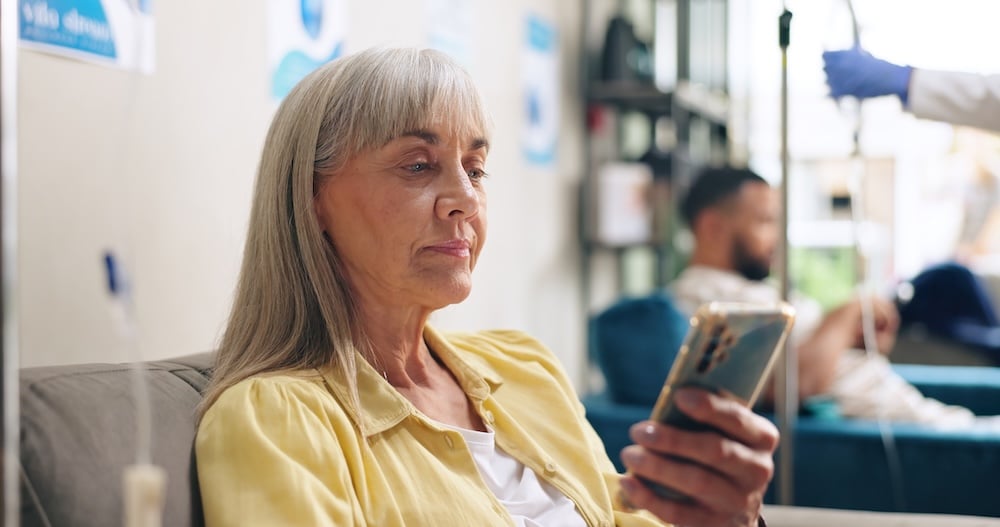
Chemotherapy can affect a patient’s desire to eat. Whether they are experiencing nausea or noticing changes in how food tastes and smells, they might not have much of an appetite during treatment. Not eating and drinking enough could lead to dehydration. If this is a concern, a doctor may recommend an IV to ensure proper hydration and nutrition the body needs during treatment and recovery.
To help manage appetite, consider eating smaller, more frequent meals throughout the day. When possible, incorporate protein-rich foods to help maintain energy levels. It’s also a good idea to stock your fridge and pantry with healthy foods and beverages before you begin treatment to ensure you are prepared.
Fatigue
Fatigue is a common side effect of all cancer treatments, including FOLFOX. This intense exhaustion can affect a patient’s ability to carry out daily activities. Regular activities normally done before treatment can feel exhausting during and after chemotherapy. It's natural to need assistance when this happens, so don't hesitate to ask a friend or family member for help.
To boost energy levels, try to stay active. Even 15 to 20 minutes of light exercise, like walking or yoga, can be beneficial. Maintaining a healthy, balanced diet can also help a patient feel stronger.
Remember to rest when needed and be patient. Energy levels may take some time to return after treatment.
Neuropathy
The drugs in FOLFOX can cause nerve damage. This is known as peripheral neuropathy and can affect the hands and feet, leading to sensations of tingling, burning, or numbness. Some may also experience hypersensitivity to cold or hot temperatures.
If you feel tingling in the feet, consider wearing compression socks to help reduce discomfort. Keep oven mitts or gloves nearby to protect the hands when going into the refrigerator or freezer. You may also feel sensitivity to hot things, such as holding your cup of hot tea. A thermal mug that doesn’t allow heat through can be a good option.
Weakened Immune System
Unfortunately, a weakened immune system makes a patient more vulnerable to infections. Chemotherapy destroys cancer cells, but damages healthy cells at the same time as well, including those in the immune system that help fight off germs like the common cold.
Some patients may benefit from a prescription for filgrastim, which boosts the body's ability to produce white blood cells. Regular hand washing, eating a balanced diet, and avoiding crowds or contact with sick people can also help prevent infections.
Gastrointestinal Issues
The drugs are being given for gastrointestinal cancer. This means you will likely experience some stomach issues such as constipation, diarrhea, gas, bloating, or cramping. It’s important to try to follow the dietary recommendations provided by an oncologist during and after chemotherapy to ensure the patient receives the necessary nutrients, even if they are dealing with stomach issues like nausea and vomiting.
Stock up on foods and beverages recommended by the care team for after treatment sessions. If assistance is needed to manage symptoms such as diarrhea, constipation, gas, and bloating, there are medications that can be recommended, both over-the-counter medications and prescription drugs.
Rash or Dry Skin
Chemotherapy can cause noticeable changes to the skin, including dryness, rashes, or increased sensitivity to the sun.
Applying fragrance-free moisturizer as needed and wearing sunscreen to protect from sun exposure helps to keep the skin hydrated.
Mouth Sores (Mucositis)
Mucositis is a condition caused by chemotherapy that inflames the lining of the gastrointestinal tract, often leading to painful sores or ulcers in the mouth and throat. For patients receiving FOLFOX, this can make it hard to eat or even talk.
To help manage mouth sores during treatment, there are some things that can help.
- Do not smoke.
- Eat foods that won’t scrape or irritate the inside of your mouth.
- Brushing teeth and rinsing with salt water or baking soda a few times per day to reduce bacteria in the mouth that could make sores worse.
- Use an oral lidocaine product to relieve pain.
Talk to an oncologist about prescribing a coating solution to protect the inside of the mouth and relieve pain if the discomfort continues.
Anemia
Most types of chemotherapy, including FOLFOX, can cause a decrease in red blood cells, known as anemia, potentially causing dizziness and overall weakness
An oncologist will perform blood tests before and possibly after each round of treatment to assess a patient’s red blood cell count. If the levels are too low, a blood transfusion may be necessary. If the red blood cell count levels are normal, it's important to rest, stand up slowly, and ask for help when needed to avoid overexertion or feeling dizzy. Consuming foods high in iron, including well-done, lean red meats, cooked spinach, eggs, and nuts, can also help increase the body’s red blood cell count.
Hair Thinning
Many patients experience hair thinning while undergoing FOLFOX chemotherapy, but this is usually temporary. Hair will likely grow back normally after treatment ends.
To help manage hair thinning, wash hair less often, use gentle shampoo and conditioner, be gentle when brushing and combing, and let it air-dry instead of using a hair dryer. A patient’s head may be sensitive to cold during FOLFOX treatments, so wearing a hat—even indoors with air conditioning—can help keep the head warmer.
Long-Term Side Effects of FOLFOX Colorectal Cancer Treatment are Possible
Most side effects will improve after chemotherapy treatment ends. However, some may be more permanent, such as neuropathy. Specific symptoms, especially fatigue and bowel problems, can last up to a year after treatment. A colorectal cancer doctor may also recommend physical therapy to help manage these side effects.
Expert Colorectal Cancer Care and Treatment in the Willamette Valley
If you were diagnosed with colorectal cancer or need a second opinion on a treatment plan, Willamette Valley Cancer Institute is here to help. We are committed to offering our patients the latest colorectal cancer treatments and personalized treatment plans. Our offices are conveniently located in Albany, Corvallis, Eugene, Florence, Lincoln City, Newport, or Springfield, Oregon.